

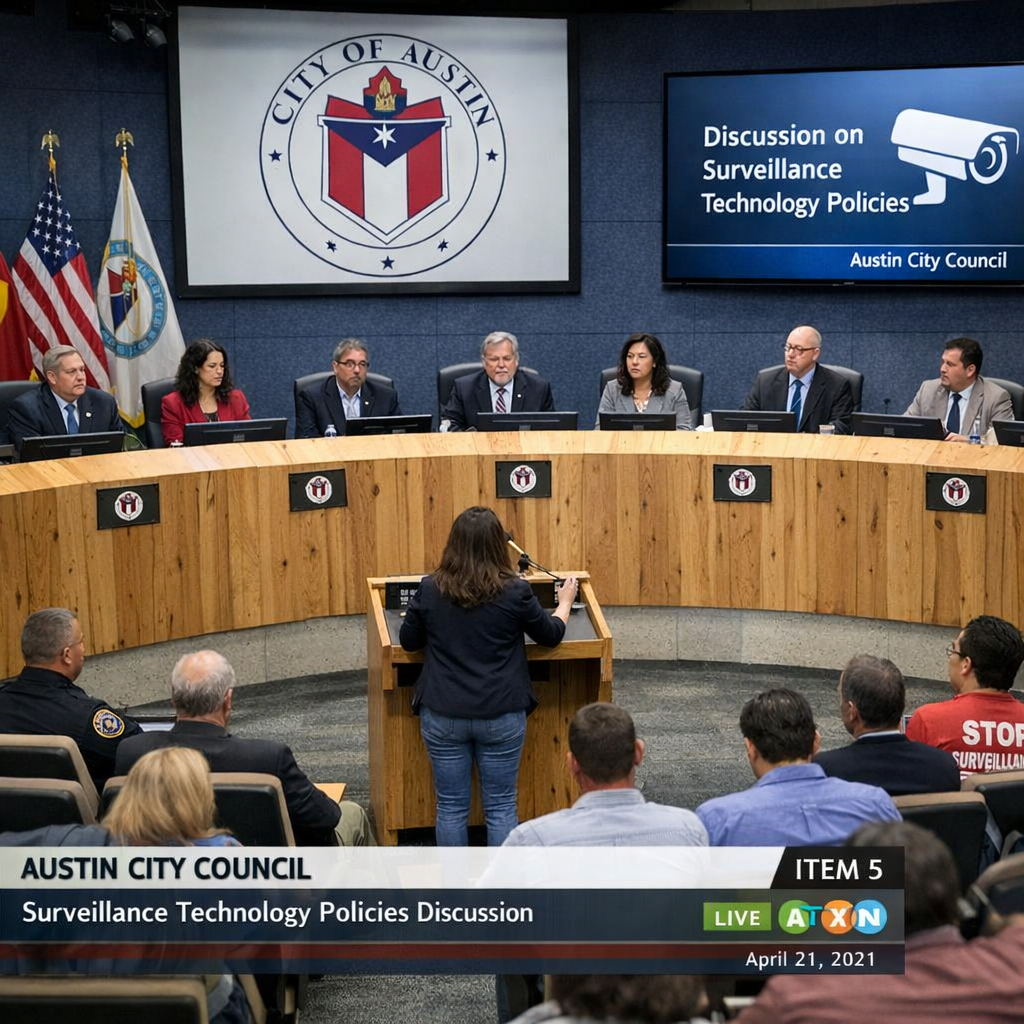
In response to growing concerns over privacy and the use of surveillance technology, the Austin City Council unanimously passed the Transparency, Responsibility, and Use of Surveillance Technology (TRUST) Act. This ordinance sets forth comprehensive guidelines for city departments regarding the acquisition and deployment of surveillance tools, aiming to strike a balance between public safety and individual privacy rights.
Key Provisions of the TRUST Act
The TRUST Act mandates that before any city department can purchase or implement new surveillance technology, they must publish detailed reports at least four weeks in advance. These reports must outline the necessity of the technology, potential risks to civil liberties, and measures to protect residents’ privacy. This requirement ensures transparency and allows for public input on surveillance initiatives.
Background and Public Response
The enactment of the TRUST Act follows public backlash against proposed surveillance measures, including a $2 million contract for AI-powered security cameras in city parks. Critics argued that such technologies could infringe on privacy rights without adequate oversight. The Council’s decision to remove the agenda item for the AI cameras and subsequently pass the TRUST Act reflects a commitment to addressing these concerns.
Implications for Austin Residents
For Austin residents, the TRUST Act signifies a proactive approach to regulating surveillance technology. By requiring transparency and public engagement, the ordinance aims to build trust between the community and city departments. Residents can now expect more accountability and oversight in how surveillance tools are utilized within the city.
Looking Ahead
As technology continues to evolve, the TRUST Act positions Austin as a leader in balancing innovation with privacy considerations. The ordinance sets a precedent for other cities grappling with similar issues, demonstrating that it is possible to enhance public safety while respecting individual rights.