

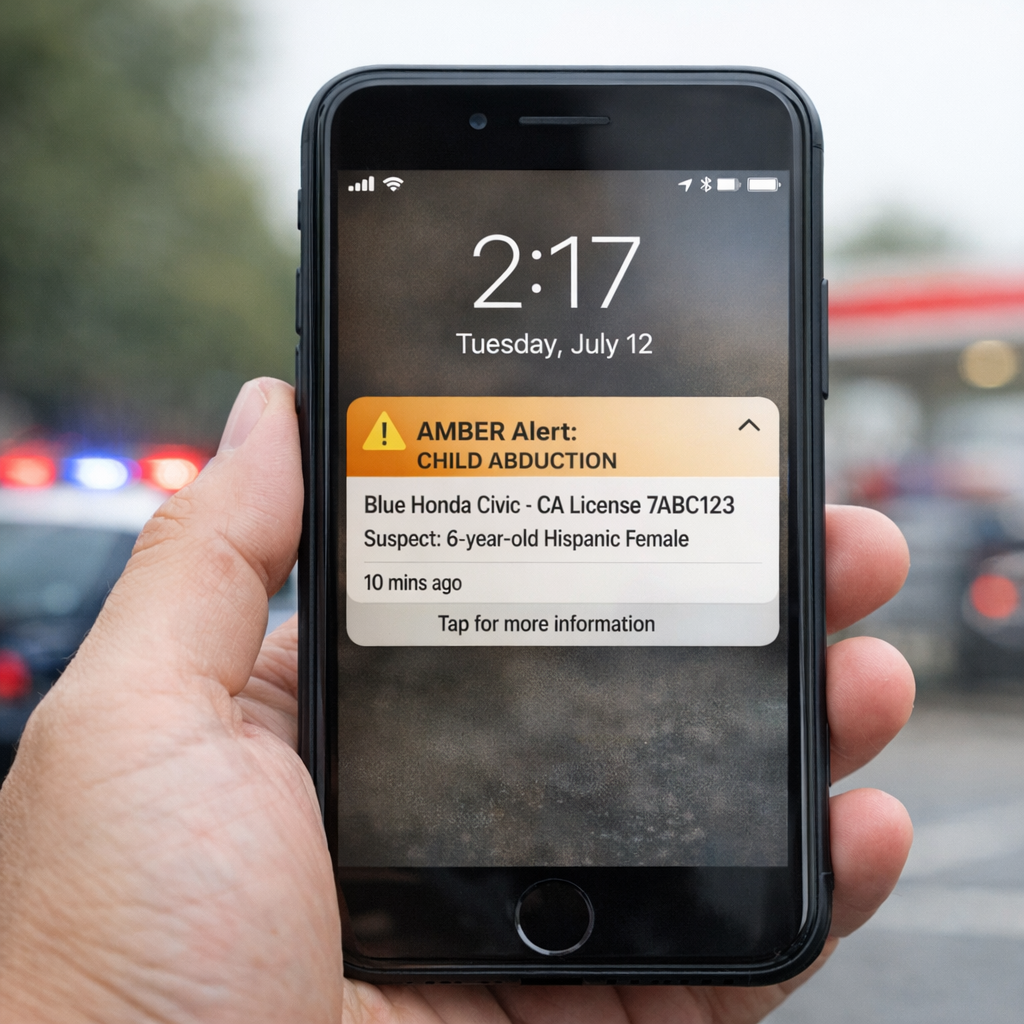
Amber Alerts have been a critical tool in locating abducted children since their inception, but recent trends in Texas have raised questions about their effectiveness and public perception.
Increased Frequency of Alerts
Between 2016 and 2024, the number of Amber Alerts issued in Texas tripled, with the state accounting for over a quarter of all alerts nationwide by 2024. This surge has led to concerns about ‘notification fatigue’ among residents, potentially diminishing the impact of these alerts. Source
Public Response and Opt-Out Rates
A 2024 study by the RAND Corporation found that nearly 30% of Texans have disabled at least one type of wireless emergency alert, the highest opt-out rate in the country. This trend suggests a growing desensitization to alerts, which could undermine their purpose. Source
Challenges in Alert Content
Analysis of recent Amber Alerts in Texas revealed that 48% lacked vehicle information, and 28% did not include details about the child’s clothing. Such omissions can hinder the public’s ability to assist effectively. Source
Moving Forward
To maintain the efficacy of Amber Alerts, it’s essential to ensure they are used judiciously and contain comprehensive information. Balancing the urgency of child abduction cases with the need to prevent public desensitization is crucial for the continued success of this vital system.