

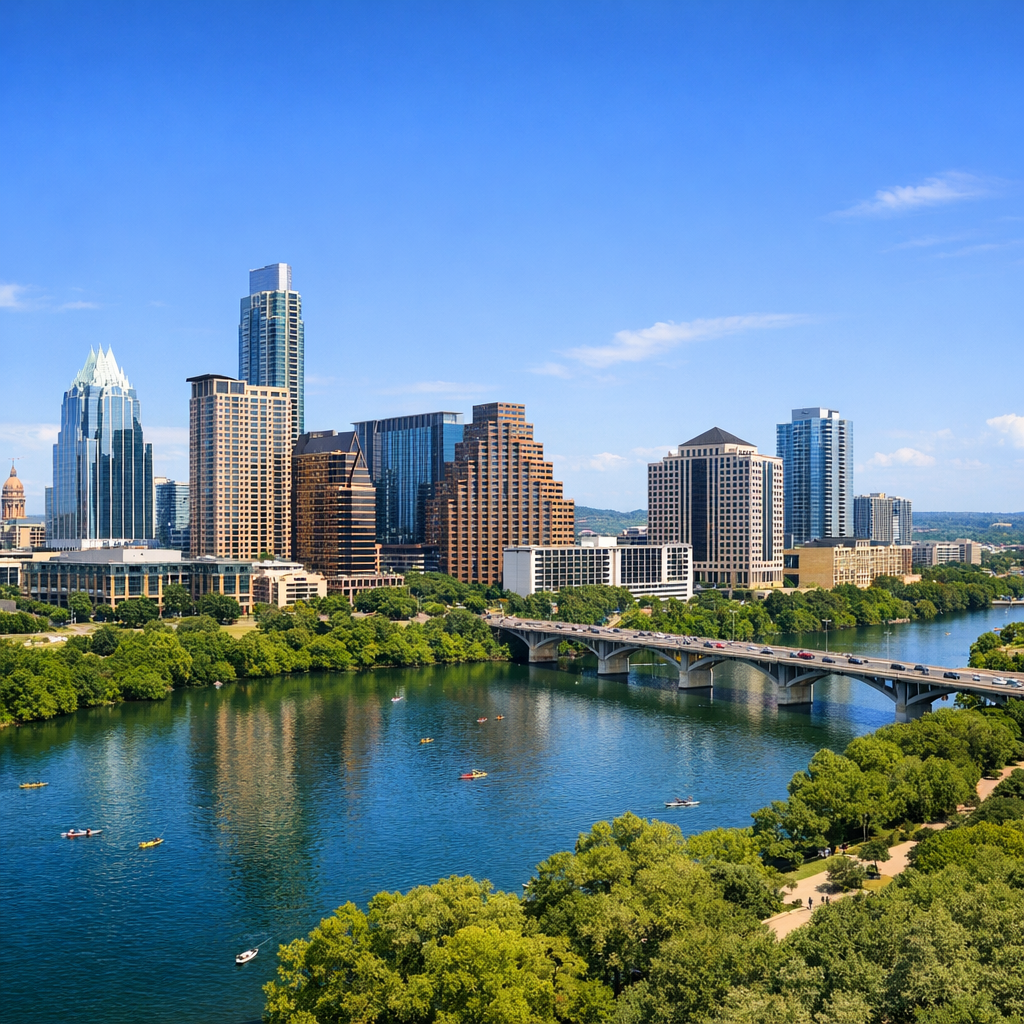
Austin, Texas, is renowned for its vibrant culture, live music scene, and picturesque landscapes. However, its climate presents a unique blend of characteristics that residents and newcomers alike should understand to fully appreciate and adapt to the environment.
Climate Overview
Situated at the crossroads of the American Southwest’s arid deserts and the Southeast’s humid regions, Austin experiences a humid subtropical climate. This classification is characterized by long, hot summers and short, mild winters. The city’s geographical position contributes to a diverse range of weather patterns, making it essential for residents to stay informed and prepared.
Temperature and Precipitation
Throughout the year, Austin’s temperatures can vary significantly. Average highs in the summer months often reach the mid-90s°F (35°C), with July and August being the hottest. Winters are relatively mild, with average lows in January dipping to around 42°F (5.9°C). Annual rainfall averages approximately 34 inches, with spring and fall typically being the wettest seasons. This distribution supports the region’s lush vegetation and contributes to the area’s natural beauty.
Environmental Initiatives
Recognizing the importance of sustainability, Austin has implemented several environmental initiatives aimed at preserving its natural resources and promoting a greener future.
Water Conservation Efforts
Austin Water manages over 49,000 acres of wildlands to protect the water supply and promote community sustainability. These lands help recharge the Edwards Aquifer and support diverse ecosystems, including habitats for endangered species. The city’s commitment to water conservation has earned it recognition as a leader among large utilities in Texas.
Airport Sustainability Programs
Austin-Bergstrom International Airport (AUS) has been proactive in reducing its environmental impact. The airport’s shuttle bus fleet operates on renewable natural gas, significantly lowering carbon emissions. Additionally, AUS has achieved Level 3+ Accreditation by Airports Council International – North America’s Airport Carbon Accreditation Program, reflecting its commitment to sustainable operations.
Climate Action and Resilience
The City of Austin offers various programs and resources to support sustainability efforts among residents. These include initiatives to make homes and yards more sustainable, grants for community green projects, and resources for adopting sustainable commuting options. By providing these resources, the city empowers individuals to contribute to a more resilient and environmentally friendly community.
Understanding Austin’s climate and participating in local environmental initiatives are crucial steps toward fostering a sustainable and resilient community. By staying informed and engaged, residents can help ensure that Austin remains a vibrant and livable city for generations to come.