

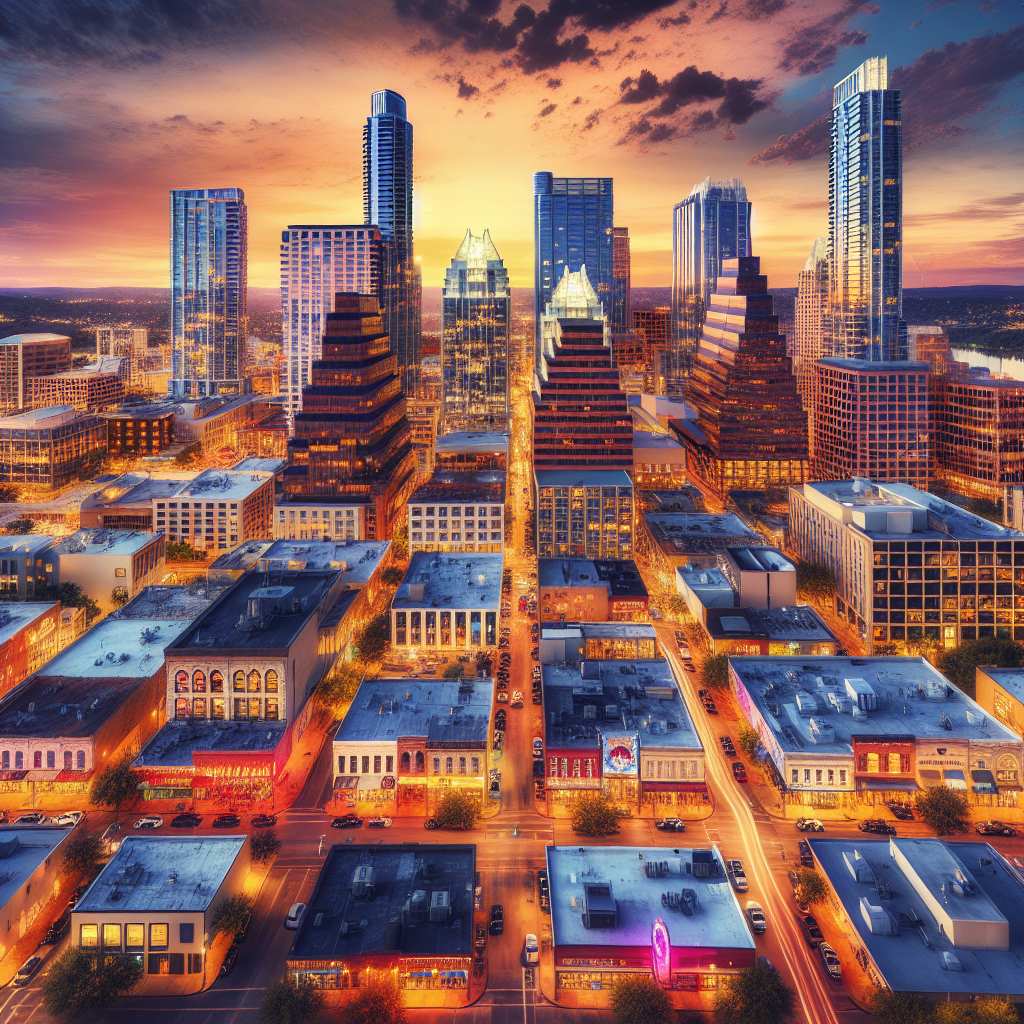
Austin’s dynamic business environment continues to evolve, presenting both opportunities and challenges for local entrepreneurs. As the city adapts to changing economic conditions, understanding these shifts is crucial for businesses aiming to thrive.
Office Space Dynamics
The pandemic has significantly impacted Austin’s office market. Downtown vacancy rates reached a record high of 22.3% in the third quarter of 2025, reflecting a new normal shaped by hybrid work schedules. This shift opens opportunities for diverse businesses to access prime downtown locations at reduced leasing costs. Local leaders are exploring incentives to attract new tenants, signaling a potential revitalization of the area. Source
Retail Adaptations
Independent retailers, particularly on South Congress, are adapting to rising rents and increased competition. Some businesses have relocated to more favorable neighborhoods, experiencing improved sales and customer engagement. This trend highlights the importance of flexibility and responsiveness to changing market conditions for local retailers. Source
Entrepreneurial Support
Austin offers a robust support system for entrepreneurs. The Austin Area Urban League’s Entrepreneurship Empowerment Center provides educational services, coaching, and mentorship, focusing on financial literacy and business development. Similarly, the Economic Growth Business Incubator (EGBI) offers coaching and training to help small business owners make their ventures more profitable and sustainable. Source Source
Tech Industry Growth
Known as “Silicon Hills,” Austin’s tech scene continues to flourish. The region supports over 200,000 tech jobs, with a notable increase in management and STEM positions. This growth underscores Austin’s appeal as a hub for technology and innovation, offering ample opportunities for startups and established tech companies alike. Source
Migration Trends
Austin’s population growth is influenced by migration patterns, with many new residents arriving from other Texas metro areas and the broader Southern U.S. This influx contributes to the city’s economic vitality but also presents challenges related to infrastructure and housing affordability. Balancing growth with sustainability remains a key focus for local policymakers. Source
In conclusion, Austin’s business landscape is marked by transformation and resilience. By staying informed and adaptable, local businesses can navigate these changes and seize emerging opportunities in the city’s vibrant economy.