

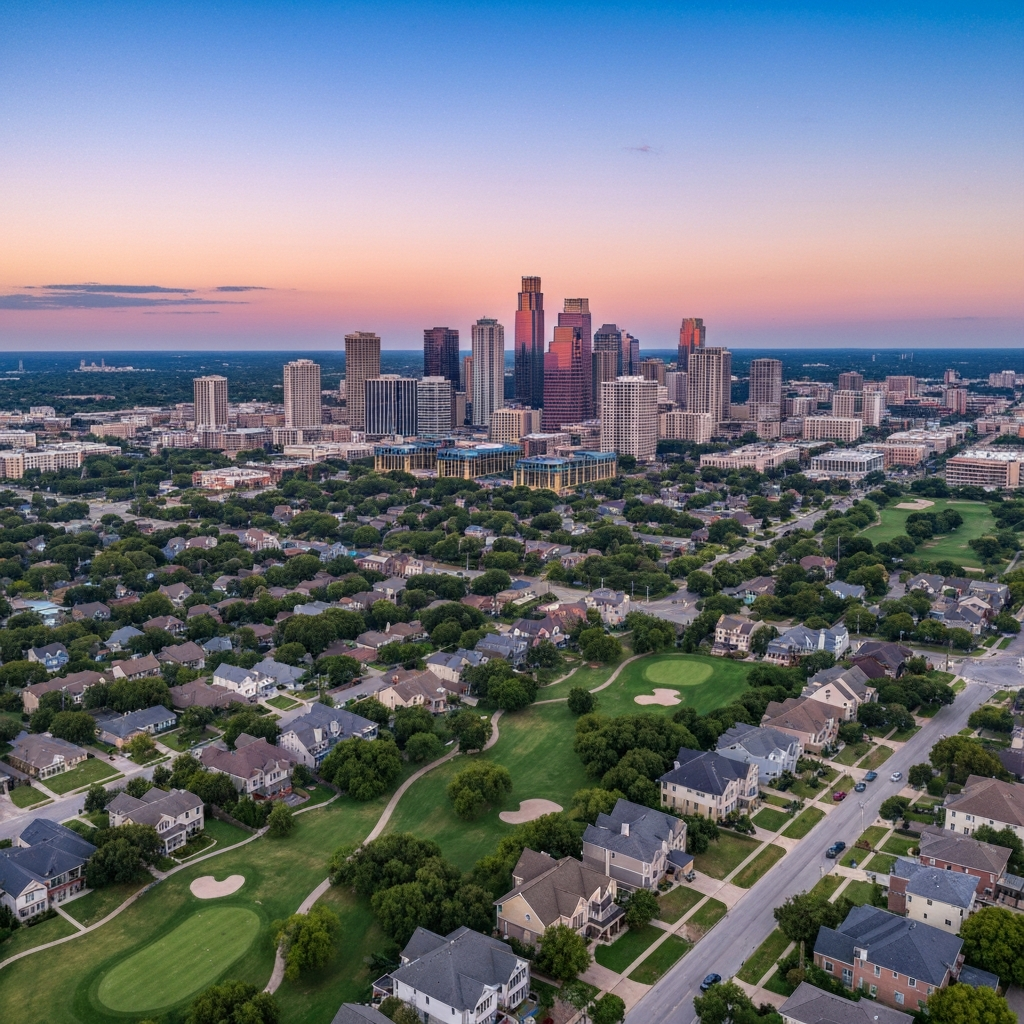
Austin’s housing market is experiencing notable shifts, with changes in home prices, rental rates, and new developments influencing the city’s real estate landscape.
Home Prices and Market Trends
Recent data indicates a decline in home values across Austin. According to Zillow, the average home value in Austin is $489,253, reflecting a 6.4% decrease over the past year. Homes are typically going pending in around 74 days, suggesting a more balanced market compared to previous years. Source
Similarly, Redfin reports that in March 2026, the median sale price of a home in Austin was $530,000, down 2.0% from the previous year. Homes are selling after an average of 58 days on the market, indicating a slight increase in the time it takes to sell a property. Source
Rental Market Dynamics
The rental market in Austin has also seen adjustments. Realtor.com notes that the median rent in Austin is $1,850 per month, a decrease of 6.23% year-over-year. This decline may be attributed to increased rental inventory and changing demand patterns. Source
Notable Developments
Several significant projects are underway, contributing to Austin’s evolving housing landscape:
The Weaver
Located in East Austin, The Weaver is a mixed-income residential development offering 250 apartment units. This project aims to blend affordable and market-rate housing in a transit-oriented setting, enhancing urban connectivity and community vibrancy. Source
Waterline Tower
Set to become the tallest building in Texas upon completion in 2026, the 74-story Waterline Tower in downtown Austin will feature a mix of residential units, office spaces, and a hotel. This development is expected to significantly impact the city’s skyline and real estate market. Source
Seabrook Square
Seabrook Square is an upcoming affordable housing project co-developed with the Austin Housing Finance Corporation. It will provide 204 units ranging from studios to four-bedroom apartments, addressing the need for affordable housing in the city. Source
Conclusion
Austin’s housing market is undergoing significant changes, with declining home values, adjustments in rental rates, and substantial new developments. These factors collectively contribute to a dynamic real estate environment, offering opportunities and challenges for residents and investors alike.