

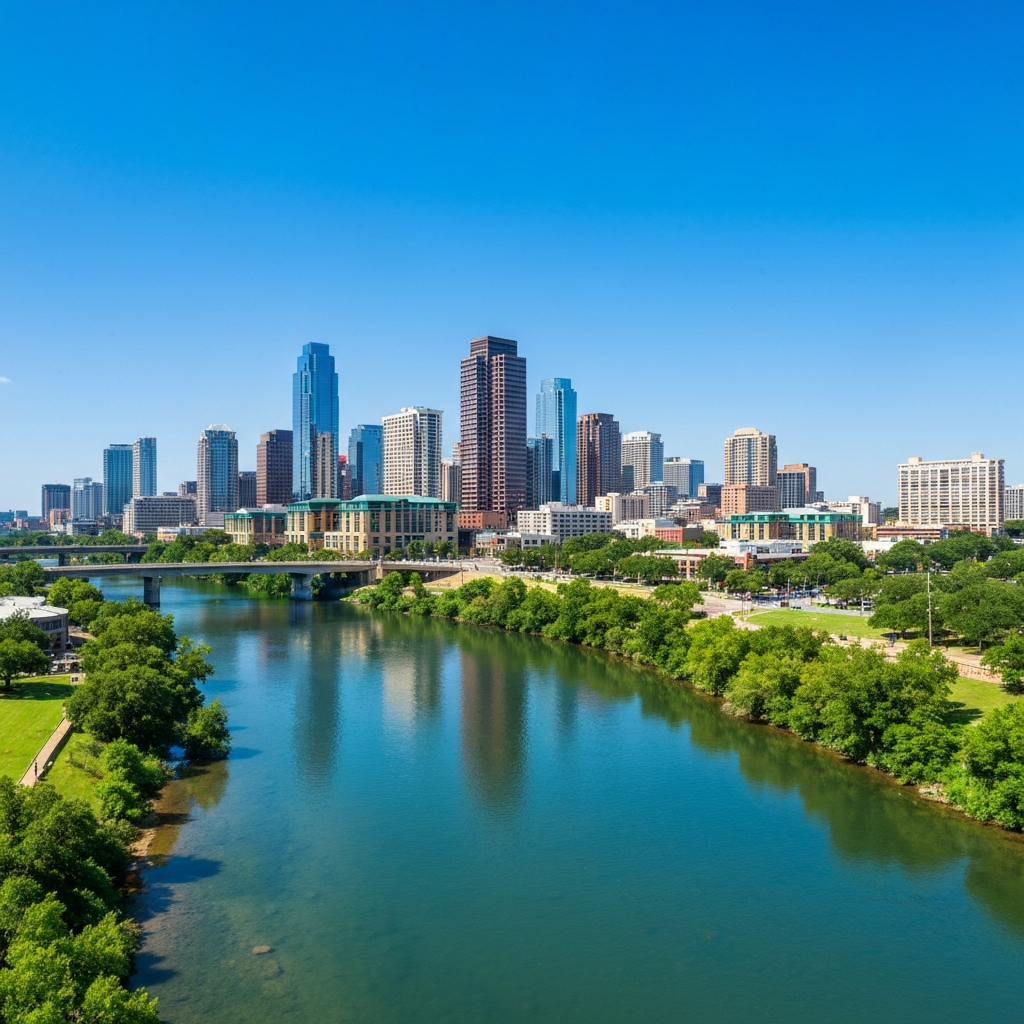
Austin, Texas, is renowned for its vibrant culture, live music scene, and picturesque landscapes. However, its climate is equally distinctive, characterized by hot summers, mild winters, and variable humidity. Understanding these patterns can help residents and newcomers alike adapt and thrive in the city’s environment.
Seasonal Overview
Spring (March to May)
Spring in Austin brings mild temperatures and blooming flora. Average highs range from the low 70s°F (21°C) in March to the mid-80s°F (29°C) by May. This season also marks the beginning of increased rainfall, with May being one of the wettest months, averaging around 4.76 inches (121 mm) of precipitation. These conditions are ideal for outdoor activities and gardening.
Summer (June to August)
Summers are hot and humid, with average highs frequently reaching the mid-90s°F (35°C). July and August are typically the hottest months, with temperatures occasionally exceeding 100°F (38°C). Despite the heat, summer also brings occasional thunderstorms, providing brief respite from the high temperatures.
Fall (September to November)
Fall offers a gradual cooling trend, with average highs decreasing from the low 90s°F (32°C) in September to the low 70s°F (21°C) by November. Rainfall remains moderate, contributing to the vibrant autumn foliage. This season is often considered the most comfortable for outdoor events and festivals.
Winter (December to February)
Winters are generally mild, with average highs in the low 60s°F (16°C) and lows in the low 40s°F (5°C). While snowfall is rare, occasional cold fronts, known locally as “Blue Northers,” can bring sudden drops in temperature. Recent trends indicate a warming pattern during winter months, with average temperatures running about 4.1°F above normal, leading to extended allergy seasons and altered plant behaviors.
Environmental Considerations
Austin’s rapid development has led to increased efforts in managing environmental impacts. The city is prioritizing construction and demolition waste management to achieve zero waste goals. Large projects are mandated to divert waste from landfills through recycling or reuse, emphasizing early planning to meet recycling requirements and avoid penalties.
Additionally, the city is intensifying efforts to reduce wildfire risks through coordinated initiatives involving firefighters, environmental nonprofits, and local governments. Public meetings are being held to gather input on fuel mitigation activities, such as brush and vegetation clearance, especially as urban expansion increases the number of homes bordering wildfire-prone areas.
Adapting to Austin’s Climate
Residents can take several steps to adapt to Austin’s climate:
- Stay Hydrated: During the hot summer months, it’s crucial to drink plenty of water and limit outdoor activities during peak heat hours.
- Prepare for Allergies: With extended allergy seasons due to warmer winters, consider consulting with healthcare providers for appropriate medications and strategies.
- Engage in Sustainable Practices: Participate in local recycling programs and stay informed about city initiatives aimed at environmental sustainability.
- Stay Informed: Keep abreast of local weather forecasts, especially during transitional seasons when conditions can change rapidly.
By understanding and adapting to Austin’s unique climate, residents can enjoy all that the city has to offer while contributing to a sustainable and resilient community.